
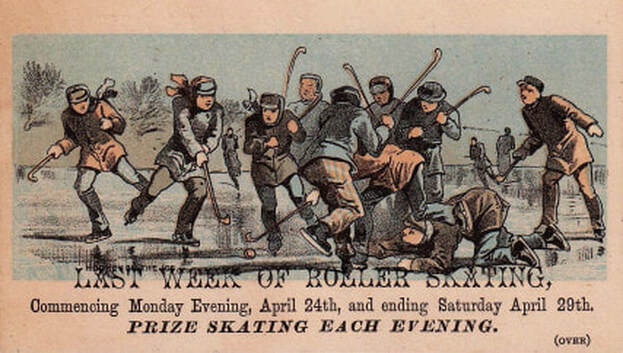

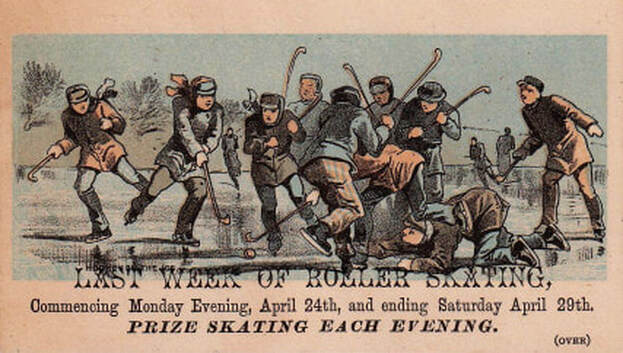
One of the first trade cards to feature ice hockey was released between 1878-1882. (Set: H820 Bufford Lithos)
Part 1: The Early History of NHL Hockey Cards
So, trading cards are old. Like, really old.
The early history of trading cards is a fascinating one. Even though these tiny pieces of paper have been around for over 300years, there is still a lot that I don’t know about them.
While my own trading card “world” has been firmly centered around modern hockey cards since 2005, I have always been interested in card origins and how this hobby has taken shape over the years. I’m no trading card historian (A self-proclaimed one, maybe?), but this article has been something I’ve wanted to put together for awhile now.
Even though card history has been well-documented elsewhere, I wanted to provide an additional glimpse into the past in order to educate all of my fellow cardboard fanatics out there.
What is a “Trade” Card?
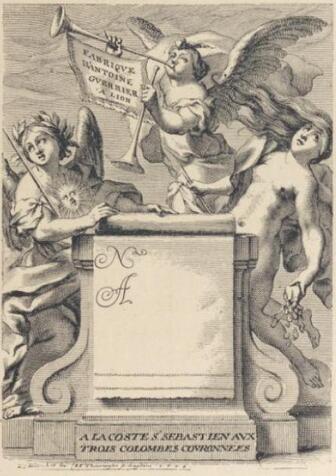
Designed by Thomas Blanchet and printed in Paris (Lyon), this trade card was produced for the firm of Antoine Guerrier. This is one of the oldest trade cards on record (1674)
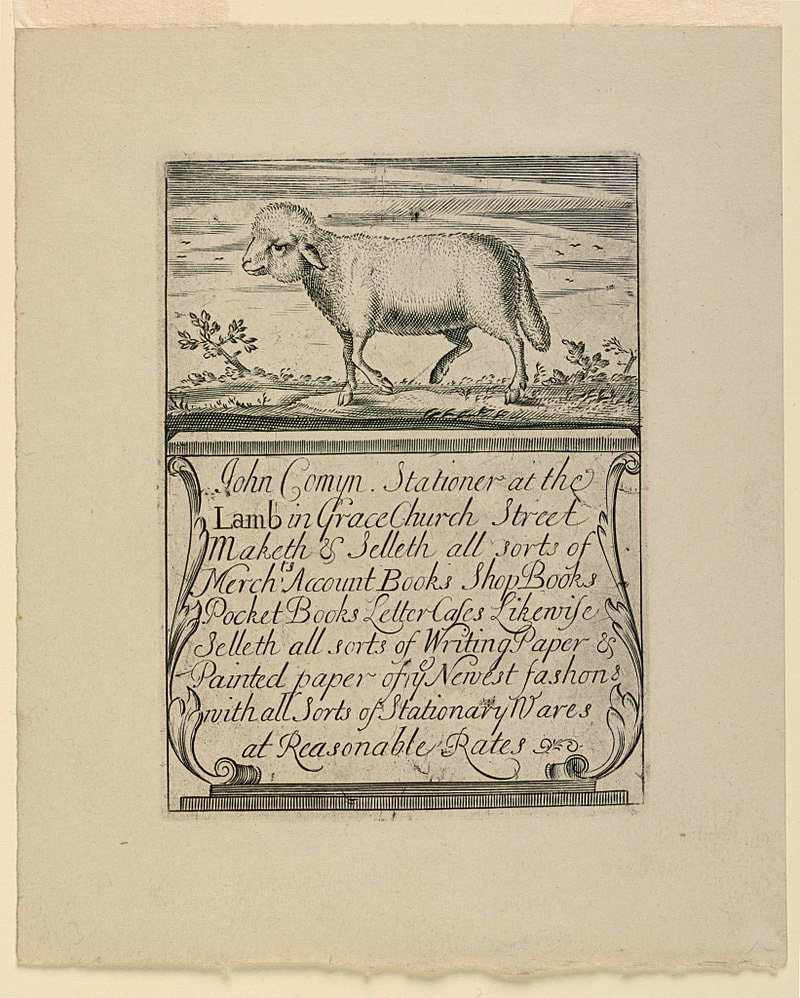
Antother example of a 18th century trade card. John Comm, Stationer (London, 1750)
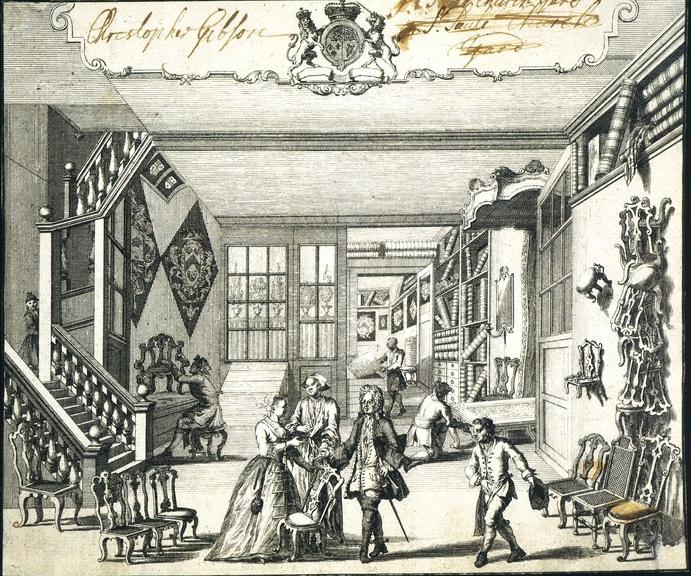
Christopher Gibson’s upolstery furniture store (London, 1730-1742)
Trading cards, originally called “Trade” cards, were pieces of paper or cardboard used for advertising someone’s trade, business, or what kind of good they had available to the general public.
Although other variations may exist, the earliest trade cards appeared in 1674, when businesses at the time printed card-like paper documents in order to advertise specific goods. As you can see by the examples above, trade cards were used to guide potential customers to furniture stores and stationary sellers. Some historians have also noted these as the first ever business cards.
While early trade cards were not all that visually appealing, business owners commissioned well-known artists of the time to help design and illustrate cards for their business, further pushing these brand new advertising methods into the artistic realm.
After making their debut overseas in 17th century Europe, trade cards would later appeared with more pop, as the colour and printed processes were refined over the years after being adopted by North America business owners and entrepreneurs in the 19th century, otherwise known as the Victorian era .
Victorian Era Trading Cards
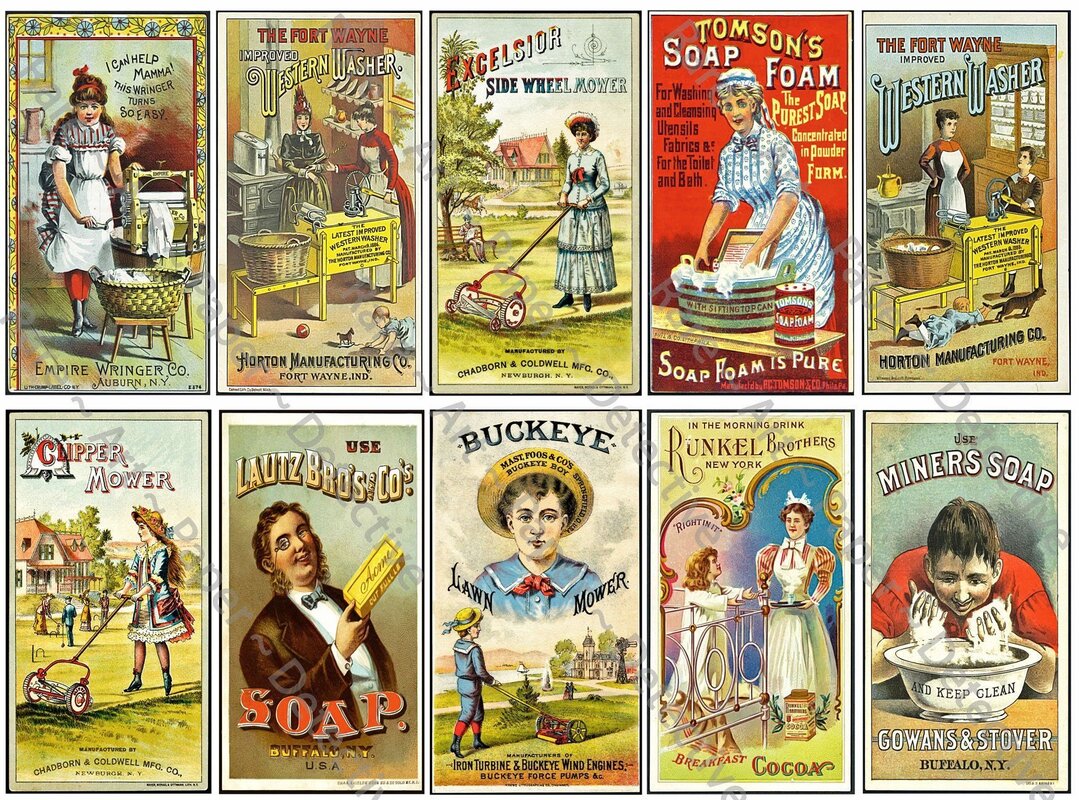
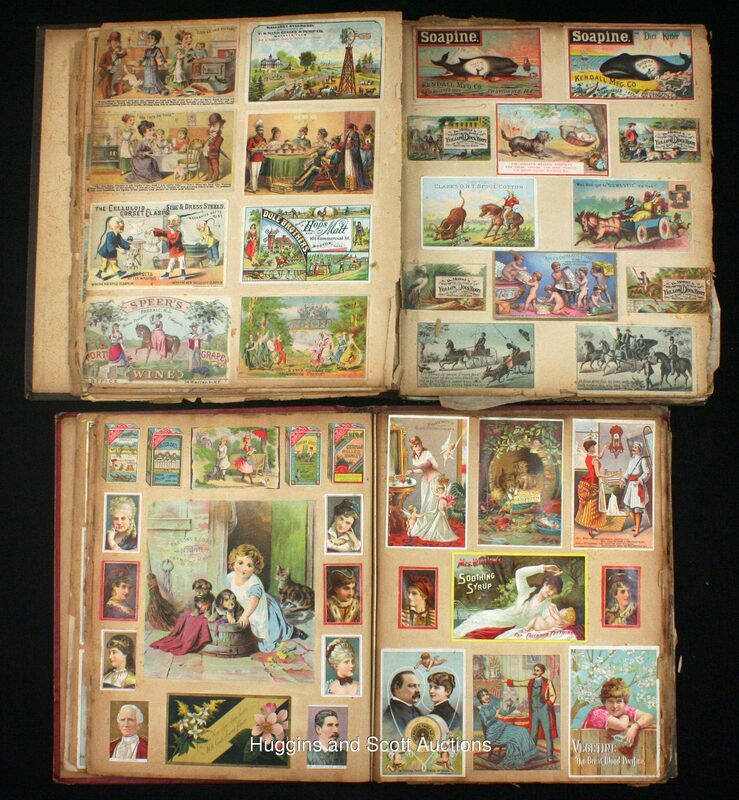
“Trade” cards were used to advertise goods to the general public. Due to the artwork, these cards became highly collectible in the Victorian era.In the Victorian era, product-specific advertisements were either built into the overall design of the card, or the backs of these cards were purposely left blank in order for the advertiser to stamp their logo or state the services they provide on the back in order to customize the small piece of art to their liking before being distributed to the public.
These small, artistic vessels became quite popular with new collectors in the 19th century, as they were often cut away from their original pages or traded away for other trade cards they had discovered and placed into scrapbooks.
Though card collecting in some form had likely existed before this time, the Victorian era trade cards are the first widespread evidence of trading and collecting cards on a large, continuous scale.
Victorian trade cards were released in the 1860’s and continued to rise in popularity until the early 1900’s before professional sports started to take a primary hold of the trading card collectible for the foreseeable future.
The Rise of Sports Cards
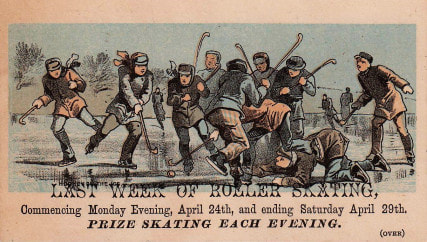
1878-1882 H820 Bufford Lithos
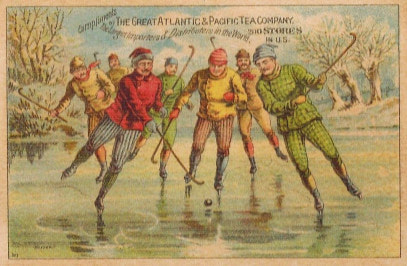
1880’s Great Atlantic & Pacific Tea Company (Bufford)Throughout the later portion of the 1800’s, multiple sports were featured on trading cards. The two notable hockey cards from this time period are the two Bufford Ice Skating Trading Cards, released in the 1880’s.
While simple in nature, these cards cards are arguably the first hockey cards ever made. These two cards would set the stage for hockey cards to takeoff once the sport turned professional in the early 1900’s…. but more on that later.
In the 1870’s and early 1880’s, sports were beginning to become featured on trade cards more often. The first professional sport to enter the trading card market was Baseball. Without the early success of baseball cards in the United States, who knows where sports cards would be today.
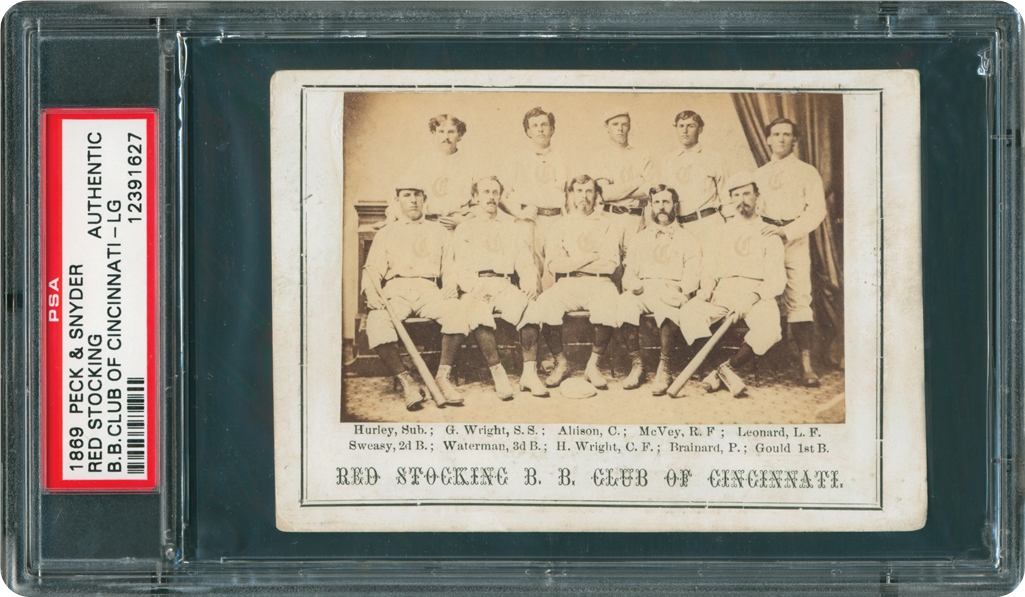
1869 Peck & Snyder – Red Stocking B.B (Baseball) Club of Cincinnati. These trade cards were often called “cabinet” cards, since they were displayed inside collectors home cabinets in the 1800’s.
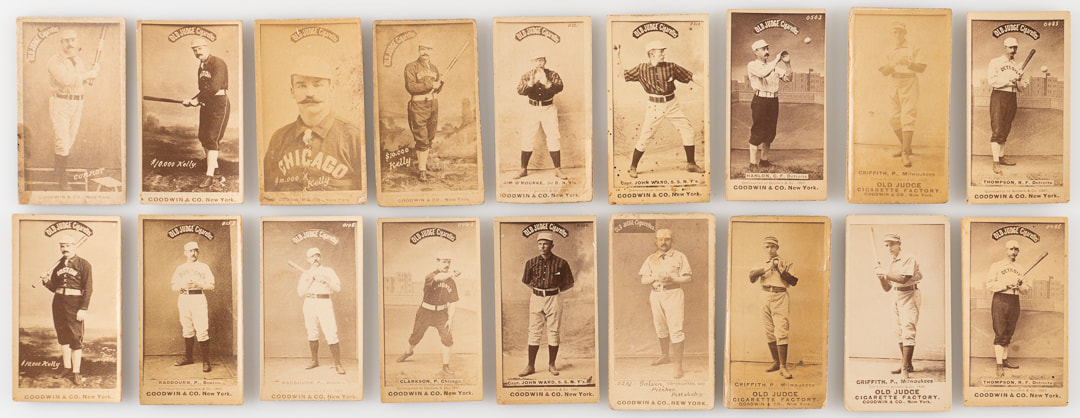
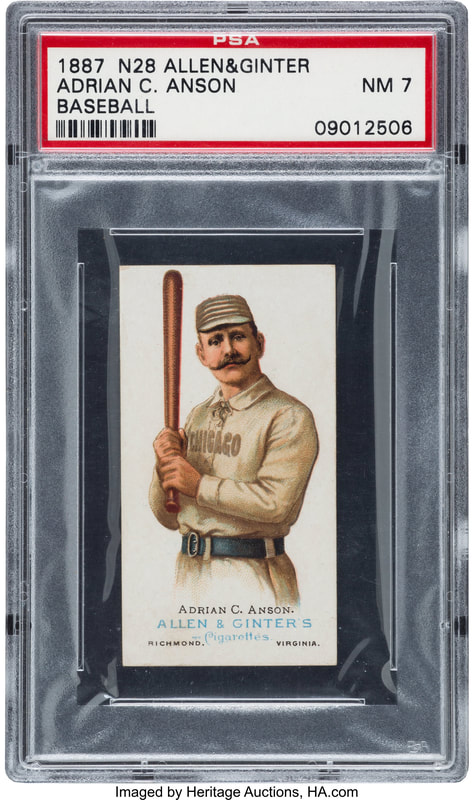
1887 Goodwin Co. Cigarette Cards (Old Judge Baseball Cards).The first professional sports cards to hit the market was in the 1880’s in the form of cigarette cards by the Goodwin Tobacco Company.
Ciagrette cards were the first trading cards distrubuted to the general public in “packs”, as they were packed out inside tiny cigarette boxes to reach collectors. Aside from being used to increase tobacco sales, trading cards also doubled as extra reinforcement on the cigarette boxes, making sure the contents were not damanged in transport.
The Players
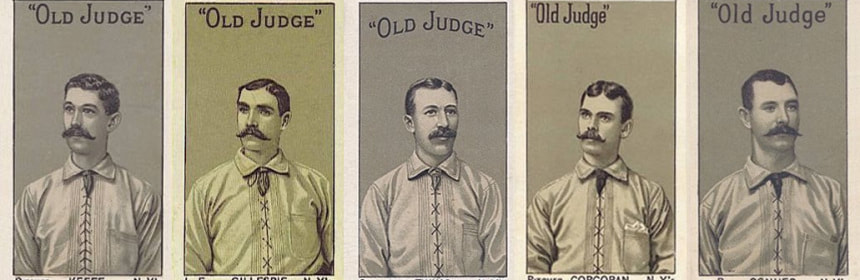
The N167 Old Judge baseball cards from 1886 is categorized as the first sports card set to feature individual players by name on a card. While the first sports card might be debated among some collectors, the 1886 N167 Old Judge baseball card set, produced by Goodwin Tobacco, is the first set to feature individual players’ likeness as the standalone feature on a trading card. A formula we still see today.
1909 T206 – Honus WagnerShortly after the turn of the century, trading cards of individual players were becoming the norm, since professional sports leagues were starting to gain more popularilty in North America.
Although Professional athletes being featured on cards offered an increase in brand popularity, this came a new issue for manufacterers at the time.
The 1909 T206 Honus Wagner baseball card remains one of the most famous and valueable sports cards of all-time because of these likeness concerns.
Once Honus Wagner found out his photo was going to be used to promote tobacco to children, afraid of being a bad influence, he made the immediate request to pull his card from distrubution. Some have surfaced over the years, but less than sixty T206 Wagner cards have been authenticated to exist today.
After the inital run of tobacco cards, other manufacterers caught on to join in on this trend and feature professional athletes on cards.
Sports Cards in the early 1900’s/1910/1920/1930
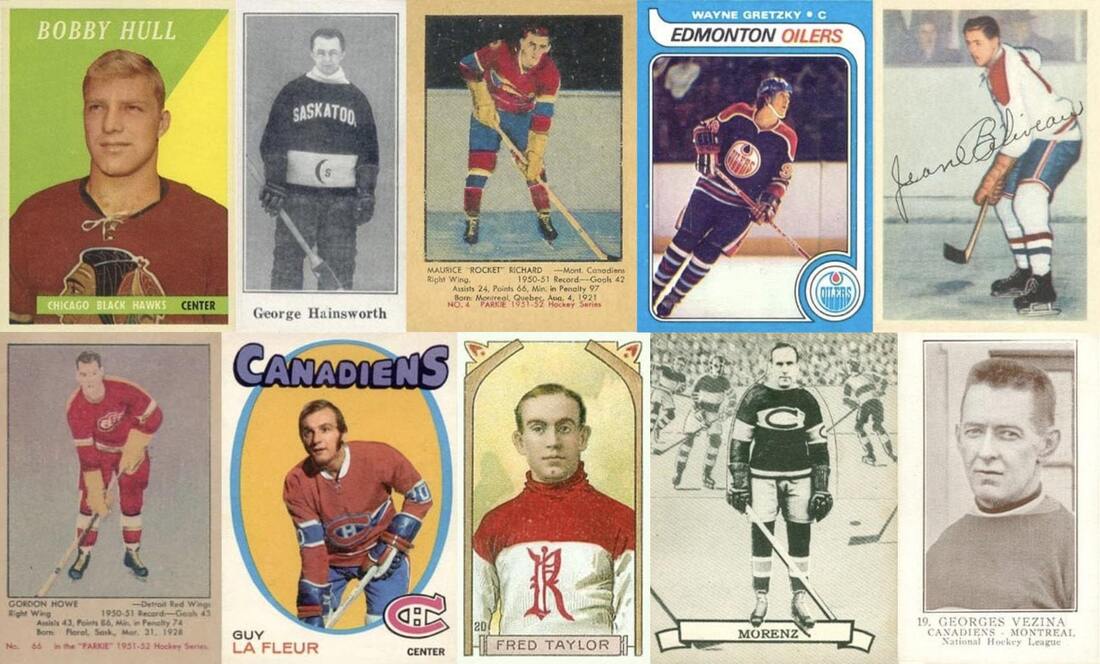
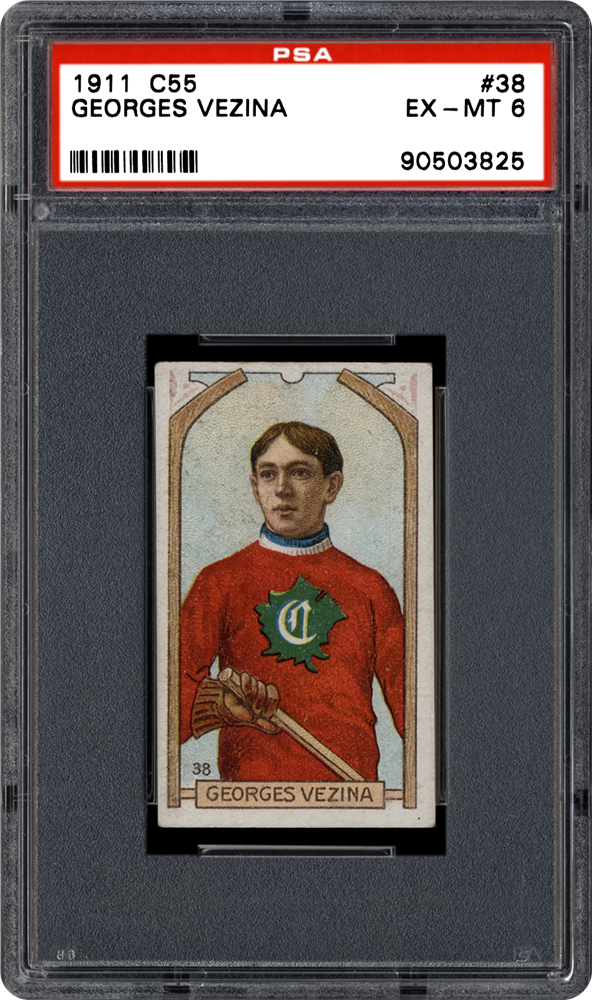
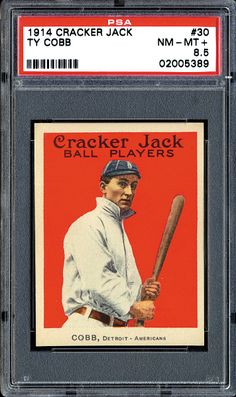
Over the next 40 years, with a few stoppages due to World War I & ll, trading cards continued to feature professional athletes, as cards were printed in a number of shapes and sizes.
What started as a project by cigarette companies was eventually was adopted by candy, gum and chocolate manufacterers
in order to help increase sales and boost revenue.
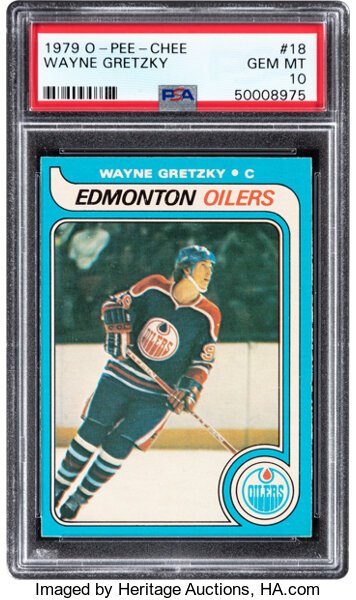
Since the 1950’s, the hockey card market was mainly dominated by Parkhurst and Topps, followed by a return of O-Pee-Chee in the 1970’s. The hockey card market would be forever changed by the arrival of Upper Deck at the start of the 1990’s.Due to the increased popularity of trading cards, it eventually developed into it’s own independant industry we see today, focusing on the continued rise of professional sports.
The Modern Sports Card

2005-2006 Upper Deck Young Guns rookie card of Sidney Crosby.
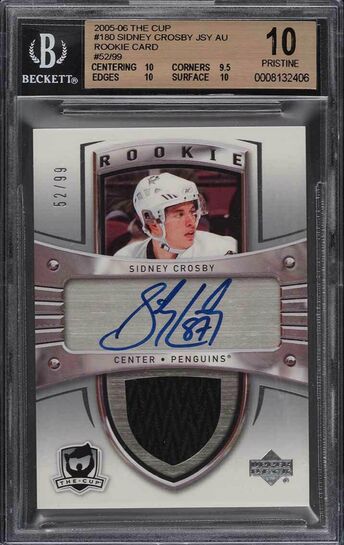
2005-2006 Upper Deck The Cup Rookie Patch Autographs /99 of Sidney Crosby.Over the years that followed, sports cards have taken a variety of different shapes and sizes, but eventually “settled” on your typical 3.5″ by 2.5″ trading card size that we see today with modern cards. Although standardized card sizing has been around since the end of World War ll, we still see variations in card production to this day with oversized and mini card sets.
The card market would also see another boost with the beginning of autographed and game-used memorabilia cards in the late 1990’s and early 2000’s, forever pushing the envelope in order to bring collectors closer to the teams and athletes they wish to support.
With the recent surge in sports cards in 2020-2021 and the attention given to the modern trading card market, we shouldn’t forget it’s lengthly and sometimes controversial history. I hope this article helps you appreciate your cards that much more!
Happy Collecting,
– Aaron / Creasecollector
The Gallery: Trading Card Evolution Over The Years



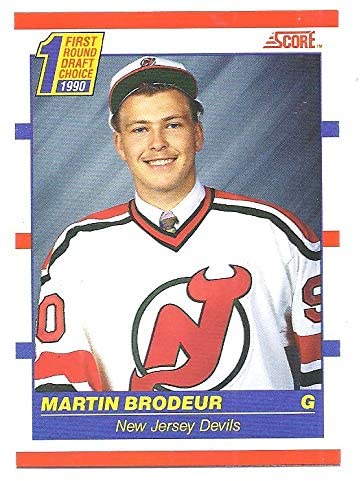

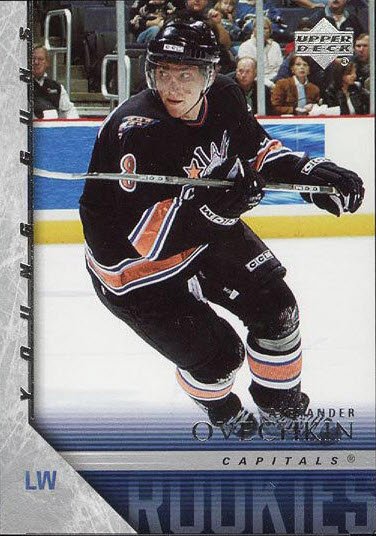
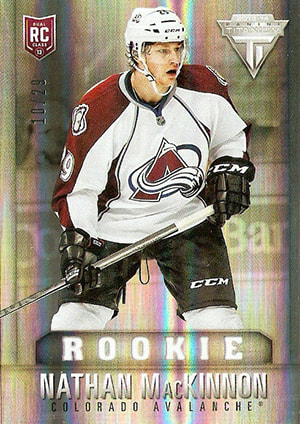
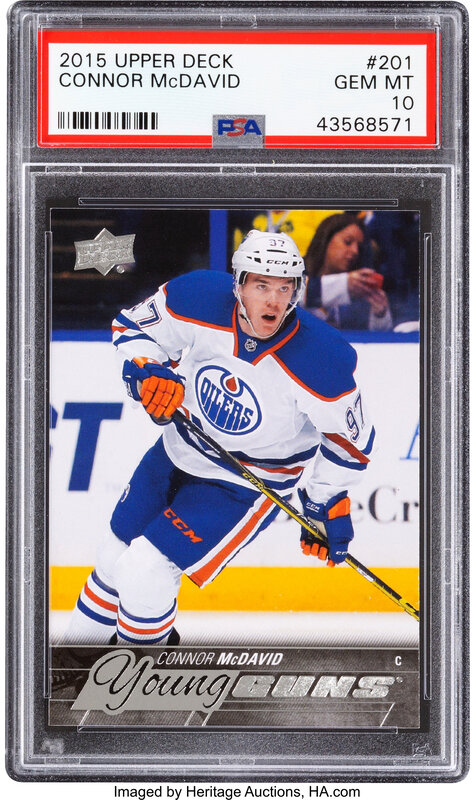
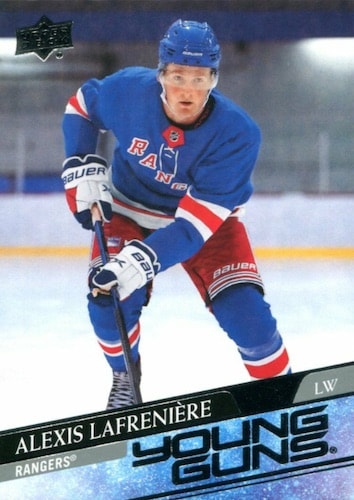
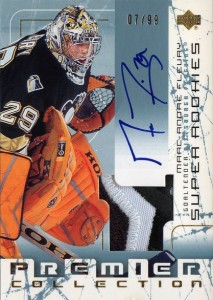
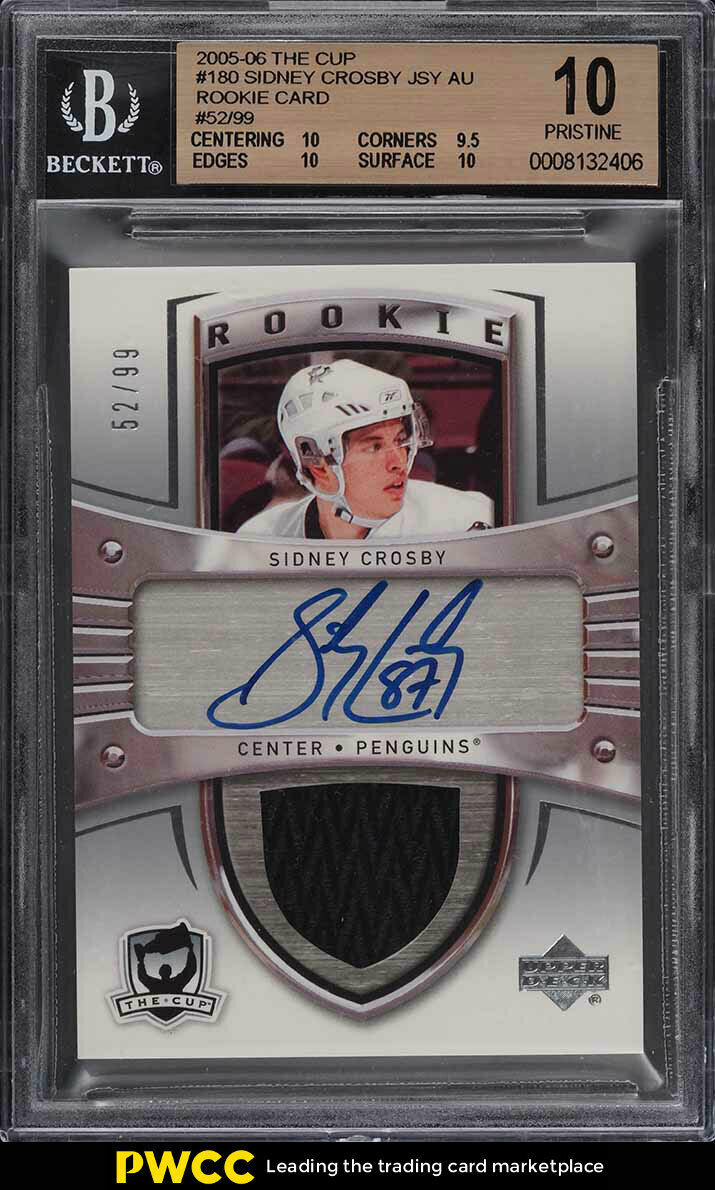
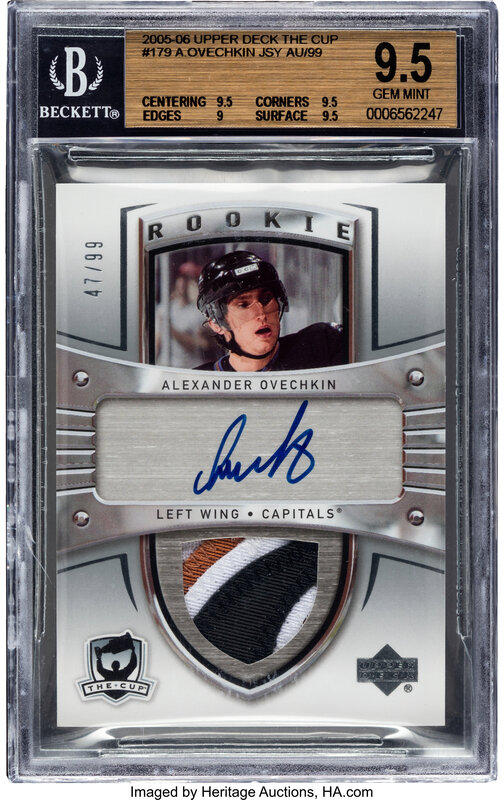

 CREASECOLLECTOR
Leave a comment below!